Steroids show strong response in IgG4-related cholangitis, new study finds
Longer maintenance treatment lowers relapse risk; survival rates remain high
Written by |




Most people with IgG4-related cholangitis, a form of IgG4-related disease (IgG4-RD) that affects the bile ducts — the tubes that carry the digestive fluid from the liver — responded well to standard glucocorticoid therapy and had favorable long-term survival, according to a study in China.
The data also showed that favorable outcomes were seen even among patients whose disease returned after treatment. However, staying on low-dose maintenance glucocorticoids for longer periods was significantly associated with a lower risk of relapse.
“IRC [IgG4-related cholangitis] is benign and sensitive to glucocorticosteroids,” the researchers wrote.
The study, “Clinical features, responses to therapy and prognosis of 107 patients with IgG4-related cholangitis: a retrospective study,” was published in BMC Gastroenterology.

Understanding IgG4-related cholangitis and how it develops
IgG4-RD is a rare immune disorder in which immune cells, most commonly those producing the antibody IgG4, form abnormal clumps in organs throughout the body. This causes inflammation that can lead to tissue scarring (fibrosis) and tumor-like masses. Symptoms vary depending on which organs are affected.
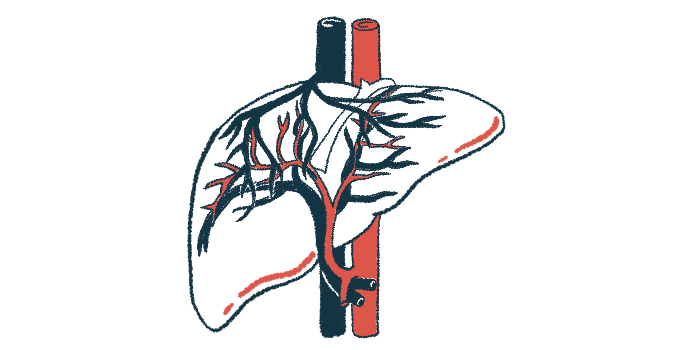
IgG4-related cholangitis is a form of the disease marked by inflammation of the bile ducts, a branching system of channels that carry bile, a digestive fluid produced by the liver. Bile flows through ducts inside the liver and into a main bile duct that passes through the pancreas before reaching the small intestine, where it helps digest fats.
Inflammation of the bile ducts can slow bile flow and lead to damage, scarring, and narrowing. IRC is often accompanied by type 1 autoimmune pancreatitis (AIP), a common form of IgG4-RD that affects the pancreas.
Diagnosis can be challenging because symptoms may resemble those of other diseases, including bile duct cancer (cholangiocarcinoma) and primary sclerosing cholangitis, another autoimmune condition that causes bile duct inflammation.
As a result, doctors often rely on a combination of blood tests, imaging scans, tissue samples, and evaluation of how patients respond to standard glucocorticoids, the standard first-line treatment for IgG4-RD.
“Accurate … diagnosis can protect patients with IRC from unnecessary surgical treatment and avoid delaying the therapy of malignancy at the same time,” the researchers wrote.
Study examines symptoms, organ involvement, and treatment response
To better characterize the disease and its outcomes, researchers retrospectively analyzed medical records from 107 adults with IgG4-related cholangitis treated at a single hospital in China between January 2013 and April 2023. Most patients were men (82.2%).
The mean age at disease onset was 60.8 years (range 25-82), and patients were followed for a median of 63.8 months, or just more than five years.
The most common symptom at diagnosis was jaundice, reported in 76.6% of patients. Jaundice causes a yellowing of the skin and the whites of the eyes. Other common symptoms included weight loss (72.9%) and abdominal pain (48.6%). All these symptoms are typically linked to liver disease and impaired bile flow.
Only two people (1.9%) had IgG4-related cholangitis as the only manifestation of IgG4-RD. Most patients (96.3%) also had AIP. Other commonly affected organs included the salivary glands located under the jaw (33.6%), kidneys (18.7%), lymph nodes (17.8%), tear glands (13.1%), blood vessels (13.1%), and lungs (11.2%).
Blood tests showed that most patients had elevated markers of liver damage, and nearly all (99.1%) had IgG4 levels above the normal range.
Imaging scans revealed characteristic patterns of bile duct narrowing. The most common pattern, seen in 49.5% of patients, affected the lower portion of the common bile duct as it passes through the pancreas. In 25.2% of patients, the disease affected the bile ducts exiting the liver and the one near the pancreas.
Most patients (91.6%) showed thickening of the bile duct walls, a typical feature of IRC that helped doctors rule out bile duct narrowing caused by compression from AIP or cholangiocarcinoma. IgG4-related tissue features that meet IRC diagnostic criteria were detected in 43.9% of those tested.
After diagnosis, 89.7% of patients received glucocorticoid treatment, and all of them responded. Most showed rapid improvement, with symptoms easing and blood tests and imaging findings improving within two to four weeks.
About one-third of patients (37.5%) experienced a relapse, defined as renewed bile duct narrowing and/or the return or development of symptoms. Nearly half of these relapses occurred after glucocorticoid treatment was stopped.
Longer steroid maintenance linked to lower relapse risk
Further analysis showed that staying on low-dose glucocorticoid maintenance therapy for longer periods was significantly associated with a lower risk of relapse. Patients who remained on treatment for at least 10 months had a much lower relapse rate than those who stopped earlier (12.3% vs. 100%).
Among patients with available follow-up data, survival rates were high, with more than 95% alive at both five and 10 years after diagnosis. No deaths were directly attributed to IgG4-related cholangitis or reported among patients who experienced relapses. No patients developed cholangiocarcinoma.
The researchers said the findings provide important insight into the clinical features and long-term outlook of IRC, emphasizing the condition is treatable and associated with favorable long-term survival.
By identifying disease patterns that help distinguish IgG4-related cholangitis from cancer and other bile duct disorders, the findings may support earlier diagnosis, more informed treatment decisions, and improved patient care.