
















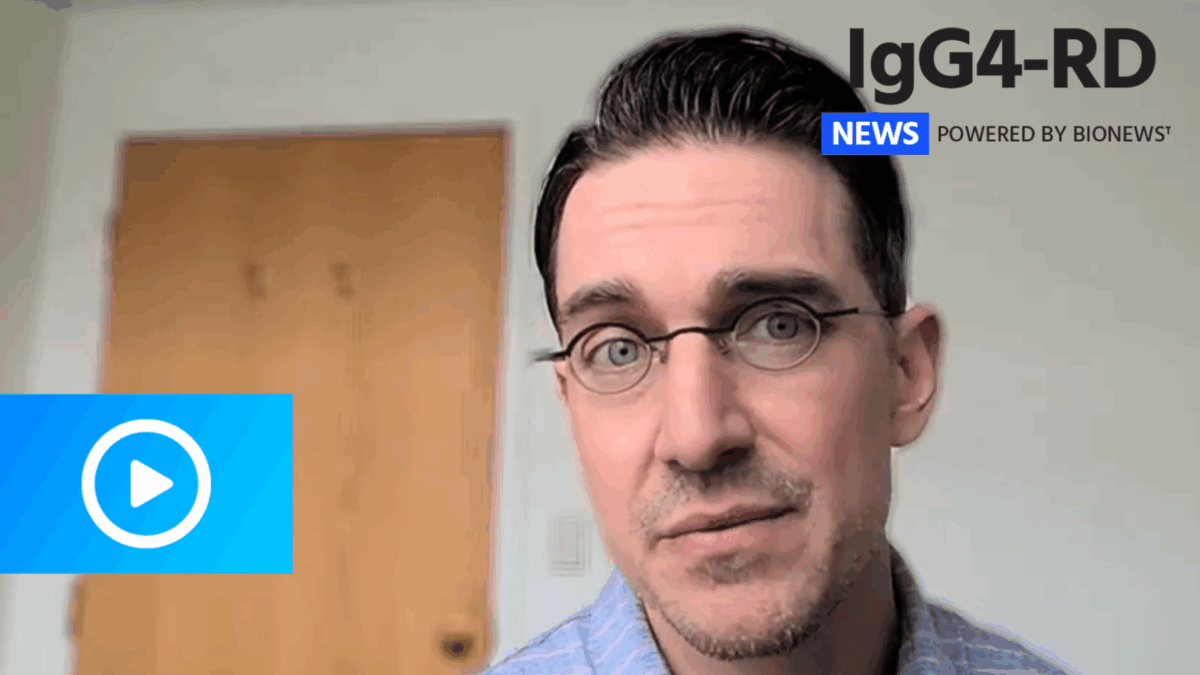
Cory Perugino, rheumatologist and IgG4-RD researcher at Mass General, shares advice for patients who feel unheard and emphasizes the importance of expert care, collaboration, and self-advocacy.
Transcript
Yeah. So as far as advice for patients who don’t feel like their concerns are being taken seriously, it’s a challenging rare disease. A lot of physicians are not aware of this.
As I’ve mentioned, they may not have ever heard of the disease before. It’s difficult for a doctor to approach a problem they don’t know anything about — just like it would be for anyone.
There are people like myself and many others who are really focused on this disease, both clinically and in research, working to understand it and help patients who have it. I think being heard often comes down to self-advocacy and making sure you’re referred to the right place.
Even if a physician isn’t familiar with this disease, they can still be a valuable part of the care team, especially in terms of local support and convenience.
But having an evaluation by an expert in IgG4-related disease is incredibly important, particularly for rare conditions, to ensure optimal care.
That care is usually collaborative — with a local primary care physician, rheumatologist, or another provider working alongside a specialist. So, my advice is that there are physicians out there who fully understand this disease.
They know the ins and outs, and they’re good listeners when other providers may not be. They can turn an experience of feeling unheard into a collaborative one where everyone on the care team is working together to achieve the best outcomes for the patient.