
Immune cell markers may help track IgG4-related disease activity
Study found changes in certain plasma cells during remission and relapse
Written by |
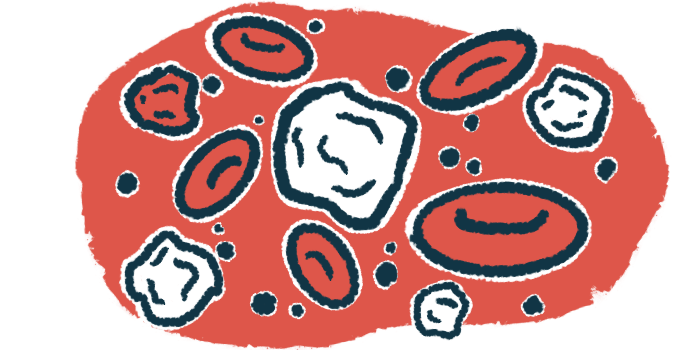
Certain immune cell markers appear to closely track disease activity in people with IgG4-related disease (IgG4-RD), a study by researchers in South Korea suggests.
The researchers identified a group of plasma cells, a type of antibody-producing B-cell, with increased activity of a gene called NMU and frequent use of another gene, IGHV1-69, in their antibody receptors. These cell features declined after B-cell-depleting treatment and reappeared when the disease relapsed, or flared up.
“These cells might represent both a reflection of immune dysregulation and a candidate driver of [disease development], offering potential targets for disease monitoring and therapeutic intervention in IgG4-RD,” the researchers wrote.

Findings may offer new ways to monitor and treat IgG4-RD
Identifying these disease-associated cells could lead to new ways to monitor and treat IgG4-RD, the researchers said. However, the study included only a small number of patients, and larger studies are needed to confirm the findings.
The study, “Longitudinal profiling reveals immune dynamics and distinct plasma cell signatures during B-cell depletion in IgG4-related disease,” was published in the Annals of the Rheumatic Diseases.
IgG4-RD is a rare disease in which immune cells build up in the body’s tissues, causing inflammation and scarring (fibrosis). These include plasma cells that produce IgG4, a type of antibody. Plasma cells are mature B-cells specialized in producing antibodies, proteins that help the immune system fight threats.
Although IgG4-producing plasma cells are a hallmark of IgG4-RD, researchers still don’t fully understand the roles of different types of B-cells in the disease. It’s also unclear whether IgG4-positive plasma cells help drive disease activity or are simply a result of ongoing inflammation.
Rituximab, a therapy that depletes B-cells carrying a protein called CD20, is often used off-label to treat immune disorders involving B-cells, including IgG4-RD. It can help bring IgG4-RD into remission, a period of reduced disease activity. However, patients may later experience flares, and predicting when these will occur remains difficult.
Researchers track immune cell changes across treatment cycles
Researchers in South Korea studied immune cells to identify patterns linked to IgG4-RD activity and response to rituximab. They analyzed 119 blood samples collected from 25 people with IgG4-RD at different points in their disease, including before treatment with rituximab, during remission, and during flares.
They also examined blood samples from healthy volunteers and people with Sjögren’s disease, an inflammatory disease involving B-cells.
The researchers found that certain IgG4-positive plasma cells in people with active IgG4-RD showed significantly higher activity of the NMU gene than those in healthy controls. This gene provides instructions for making neuromedin U (NMU), a signaling molecule known to help drive type 2 immune responses. These responses occur during certain allergies and infections and have been implicated in IgG4-RD.
“To the best of our knowledge, NMU expression within the B-cell lineage has not been identified in large-scale public datasets from other fibrotic or allergic diseases … suggesting that its upregulation in [IgG4-positive] plasma cells may represent a [biological] feature relatively specific to IgG4-RD,” the researchers wrote.
B-cells have proteins on their surface called B-cell receptors (BCRs), which help them recognize potential threats. Different genes provide instructions for making parts of these receptors, allowing B-cells to recognize a wide range of targets.
The researchers found that plasma cells with increased NMU gene activity frequently used a gene segment called IGHV1-69 in their B-cell receptors. They also found that higher activity of the NMU and IGHG4 genes was significantly associated with higher IgG4 levels in the blood.
Disease-linked plasma cell markers return during relapse
After rituximab treatment, disease-associated plasma cell markers and IgG4 levels in the blood declined during remission. These plasma cell markers reappeared when patients experienced flares.
The findings suggest that “these molecular features follow a concordant pattern of decline after [rituximab] and track with clinical disease activity across treatment cycles,” the researchers wrote.
Monitoring patients in remission for increased NMU gene activity and use of the IGHV1-69 gene segment in plasma cells could potentially help detect signs of disease returning before a flare becomes apparent. This might allow treatment to begin earlier.
However, the researchers cautioned that this approach has not been tested. Larger studies are needed to confirm the findings and determine whether these markers can help predict flares.
“If validated in larger longitudinal [studies], these markers could support pre-emptive intervention before overt clinical relapse, which is especially relevant in IgG4-RD because recurrent flares may lead to cumulative organ damage,” the researchers wrote.
The findings also may have implications for treatment, as they suggest that targeting plasma cells marked by NMU expression and IGHV1-69 usage may offer a new approach to treating IgG4-RD.
“Targeting IGHV1-69 BCRs or NMU-mediated pathways may offer more precise therapeutic strategies than conventional B-cell depletion,” the researchers concluded.


Leave a comment
Fill in the required fields to post. Your email address will not be published.