
IgG4-RD therapy works in study without patients losing vaccination benefits
Developer awaiting regulatory approval decision in US, due in spring
Written by |
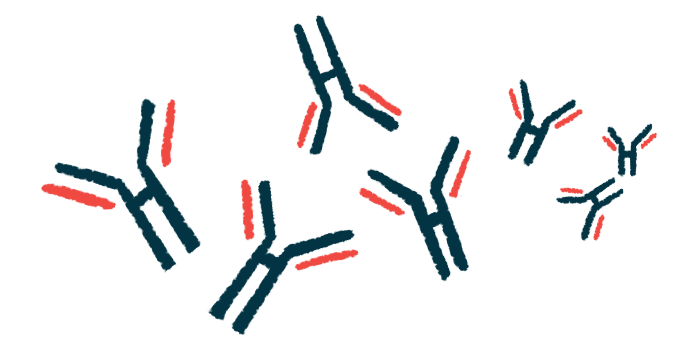
Obexelimab, an investigational therapy for people with immunoglobulin G4-related disease (IgG4-RD), was found to reduce disease activity among participants in an IgG4-RD clinical study without eliminating the benefits of vaccination against flu and COVID-19, according to new data.
Additional results from other analyses showed obexelimab can lessen the need for glucocorticoids — a cornerstone treatment for IgG4-RD — and maintain long-term flare protection for most patients. The researchers noted that, while this type of steroid is a standard first-line treatment for the rare immune-related disease, its long-term use is associated with serious side effects.
Zenas Biopharma, the U.S.-based company developing obexelimab, presented these new findings at the 6th International Symposium on IgG4-Related Disease, held earlier this month in Cambridge, Massachusetts.
“IgG4-RD is a chronic disease that may require ongoing management, even after an acute flare is controlled,” Lonnie Moulder, founder and CEO of Zenas, said in a company press release outlining the results seen in its global Phase 3 INDIGO trial (NCT05662241) and related studies.
“Together, these new findings reinforce the potential role of obexelimab in long-term disease management, including helping patients remain flare-free, reducing [glucocorticoid] exposure, and potentially supporting vaccine responses following a treatment-free window,” Moulder said.
The U.S. Food and Drug Administration is now reviewing obexelimab as a potential treatment for IgG4-RD, with a decision on whether or not to approve the injection therapy expected by May 27, 2027.
IgG4-RD is a chronic disorder marked by abnormal clumps of immune cells — mainly B-cells that produce an antibody called IgG4 — in the body’s tissues. It causes tissue inflammation and scarring, leading to organ swelling and tumor-like masses, among other symptoms.
Glucocorticoids, a type of anti-inflammatory and immunosuppressive medications, are the mainstay treatment for IgG4-RD. However, the ideal goal would be to eventually wean off glucocorticoids entirely, because long-term use can cause problematic side effects.
Obexelimab being tested for long-term IgG4-RD management
Because many IgG4-RD patients experience disease relapses during glucocorticoid tapering or the drugs’ discontinuation, other immunosuppressive medications are used in combination with glucocorticoids as glucocorticoid-sparing agents.
Currently, the only medication formally approved for this purpose in the U.S. is Uplizna (inebilizumab), which works by killing B-cells. However, while those cells are key drivers of disease in IgG4-RD, they also play important roles in protecting the body against infection.
Indeed, vaccines for influenza and COVID-19 work in large part by activating B-cells to produce antibodies that can fight off these viruses.
As such, B-cell-depleting treatments like Uplizna can be effective for controlling IgG4-RD, but they can also increase the risk of infections, and they may reduce the protections offered by vaccination.
Obexelimab is an experimental IgG4-RD treatment designed to block the activity of two proteins that are important for B-cell activation. In doing so, the therapy aims to lessen the disease-driving activity of B-cells without reducing their counts, which may help better maintain the immune system’s ability to respond to vaccines and fight infections.
Zenas’ application seeking approval of obexelimab in the U.S. was based on data from the late-stage INDIGO study. That trial tested weekly injections of obexelimab versus a placebo in nearly 200 adults with active IgG4-RD who required glucocorticoid treatment.
All participants gradually tapered off glucocorticoids for the first two months. The main goal was to see if obexelimab would beat the placebo at reducing the risk of disease flares requiring rescue glucocorticoid treatment after one year.
The results showed that the trial met its goal, with obexelimab reducing flare risk by more than 50% compared with the placebo over one year. After completing the one-year placebo-controlled period, participants could enter an extension portion in which all are treated with obexelimab for as long as three years.

No flares seen for 1 year for at least 85% of patients
Newly announced data from the extension period showed most participants were free from flares requiring rescue therapy for more than a year with obexelimab. The actual rate ranged from 87% to 93% depending on how flares were confirmed. In addition, according to the company, “adverse event rates were comparable to or lower than those observed during the [placebo-controlled] period.”
Moreover, results from a new analysis of the trial’s placebo-controlled portion showed that obexelimab significantly outperformed the placebo at reducing scores on the Glucocorticoid Toxicity Index, a standard measure of side effect severity with glucocorticords.
This is consistent with previously reported trial data showing that, by reducing the need for rescue therapy to manage flares, obexelimab can limit the need for glucocorticoids.
INDIGO also includes an ongoing substudy in which participants pause obexelimab treatment to receive vaccines for COVID-19 or influenza. The patients’ ability to produce antibodies against the viruses is assessed during that period.
Available data showed that six of seven participants receiving flu vaccines had an appropriate antibody response, as did all four patients given COVID-19 vaccines. No disease flares occurred during the treatment pause, which lasted about a month on average, per the data.
The substudy is also evaluating how long-term obexelimab treatment affects levels of preexisting antibodies that protect against COVID-19 or influenza. Data from seven patients showed markers of antiviral immunity were maintained in 71% of patients for influenza and 50% for COVID-19, according to Zenas.


Leave a comment
Fill in the required fields to post. Your email address will not be published.