
Imaging may help in telling apart bile duct cancer, signs of IgG4-RD
Study's scientists say their findings may 'improve diagnostic confidence'
Written by |
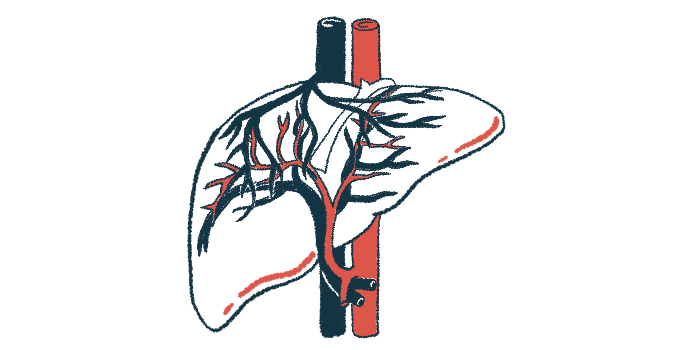
The use of ultrasound imaging may help clinicians to tell the difference between a bile duct manifestation of IgG4-related disease (IgG4-RD) and cholangiocarcinoma (CCA), a type of bile duct cancer, a small study suggests.
The researchers found that the noninvasive imaging test can distinguish cancer involving the bile ducts — the tubes that transport the digestive fluid bile from the liver to the intestines — from IgG4-related sclerosing cholangitis (IgG4-SC), which is marked by bile duct inflammation and scarring.
Two ultrasound features, a visible bile duct lumen — the inner cavity through which bile flows — and the absence of test signals indicating increased density of tiny blood vessels, were found to be strong indicators of IgG4-SC, according to the researchers.
Combining these two features “provides key imaging clues to differentiate IgG4-SC from [this cancer],” the scientists wrote, noting, however, that “these findings require validation in larger prospective” study groups.
Still, the team concluded that, “when integrated with clinical manifestations, laboratory findings, and short-term follow-up observations, these imaging characteristics may improve diagnostic confidence in differentiating IgG4-SC from CCA.”
The study, “The ultrasound and contrast-enhanced ultrasound characteristics of IgG4-related cholangitis: compared with cholangiocarcinoma,” was published in the Journal of Ultrasound.
IgG4-RD is a rare condition in which immune cells, most commonly B-cells producing the IgG4 antibody, infiltrate tissues, causing inflammation and scarring that can damage organs. One manifestation of the disease is IgG4-SC, which can lead to jaundice, or a yellowing of the skin and whites of the eyes, and tumor-like masses.
Because these are also common signs and symptoms of CCA, distinguishing the two conditions can be challenging. This distinction is important because the treatment and outlook differ markedly between the two.
Specifically, IgG4-SC often responds well to glucocorticoids and other immunosuppressive treatments, while this cancer may require surgery or chemotherapy and has a poor prognosis.
Looking for features to differentiate cancer, IgG4-SC
One noninvasive way to examine bile duct changes and blood flow within affected tissues in real time is to use the imaging test combined with contrast-enhanced ultrasound (CEUS). However, there is limited data on the use of ultrasound and CEUS in diagnosing IgG4-SC.
To fill this knowledge gap, a team of researchers in China retrospectively analyzed ultrasound and CEUS findings from 14 adults with IgG4-SC and 26 with CCA. Their goal was to identify features that may help distinguish the two conditions.
In both groups, most of the individuals were men. Their mean age was approximately 57. Data showed that blood levels of IgG4 antibodies were significantly higher in the IgG4-SC group, while blood levels of CA19-9 and CEA, two tumor markers, were significantly elevated in the CCA group.
In addition, lesions in additional organs were also significantly more common in people with IgG4-SC.
The researchers noted that conventional ultrasound identified an important difference between IgG4-SC and CCA: The bile duct lumen remained visible in most IgG4-SC patients (71%) but was mostly undetectable in bile duct segments invaded by CCA (96% of cases). This difference reached statistical significance, meaning it was highly unlikely to be due to chance, the researchers noted.
CEUS also helped distinguish between the two conditions by revealing differences in how the affected areas took up the contrast agent, reflecting blood vessel density and/or blood flow.
People with IgG4-SC showed more variable contrast signals, ranging from lower than normal for 12.5% to normal, for 37.5%, to higher than normal for 50%. In contrast, all but one CAA patient (96%) showed higher than normal contrast enhancement, indicating higher blood vessel density and/or blood flow, consistent with what happens in cancer.
The researchers suggested that the variable CEUS patterns seen in IgG4-SC may reflect differences in inflammation and scarring within the bile ducts. Areas with more active inflammation may have greater blood flow and stronger enhancement, whereas more advanced scarring may reduce blood flow and produce weaker enhancement.

Imaging test features able to help rule out cancer
The team then assessed whether these features could help distinguish people with IgG4-SC from those with CCA. The researchers found that a visible bile duct lumen showed a sensitivity of 71.4% and a specificity of 96.2%, while the absence of higher than normal contrast enhancement led to a sensitivity of 50% and a specificity of 95.8%.
The test’s sensitivity refers to its ability to correctly identify IgG4-SC cases, while its specificity refers to its ability to correctly rule out those without IgG4-SC.
When the two imaging features were combined, the test’s specificity reached 100%, implying that “patients meeting both imaging criteria could be confidently initiated on corticosteroid therapy —a reversible treatment — without the need for invasive … biopsy,” according to the team.
However, sensitivity was low, at 37.5%, the researchers noted. That should serve to “[remind] clinicians that a negative result does not exclude IgG4-SC, and such patients still require thorough evaluation including multidisciplinary discussion,” the researchers wrote.
Adding elevated blood IgG4 levels to the two imaging features did not change the test’s sensitivity or specificity, per the team.
Overall, the findings indicate that IgG4-SC “demonstrates characteristic features on both conventional ultrasound and CEUS,” the researchers concluded.
“These features, alongside assessment for other organ involvement, may improve diagnostic confidence and guide appropriate clinical management,” the scientists wrote.
However, “given the limited sample size and retrospective design [of this study], these findings should be considered exploratory and warrant validation in larger multicenter studies,” the team added.




Leave a comment
Fill in the required fields to post. Your email address will not be published.