IgG4-RD may be behind range of nerve, muscle symptoms: Study
Review study points to need for patients to have 'comprehensive evaluation'
Written by |
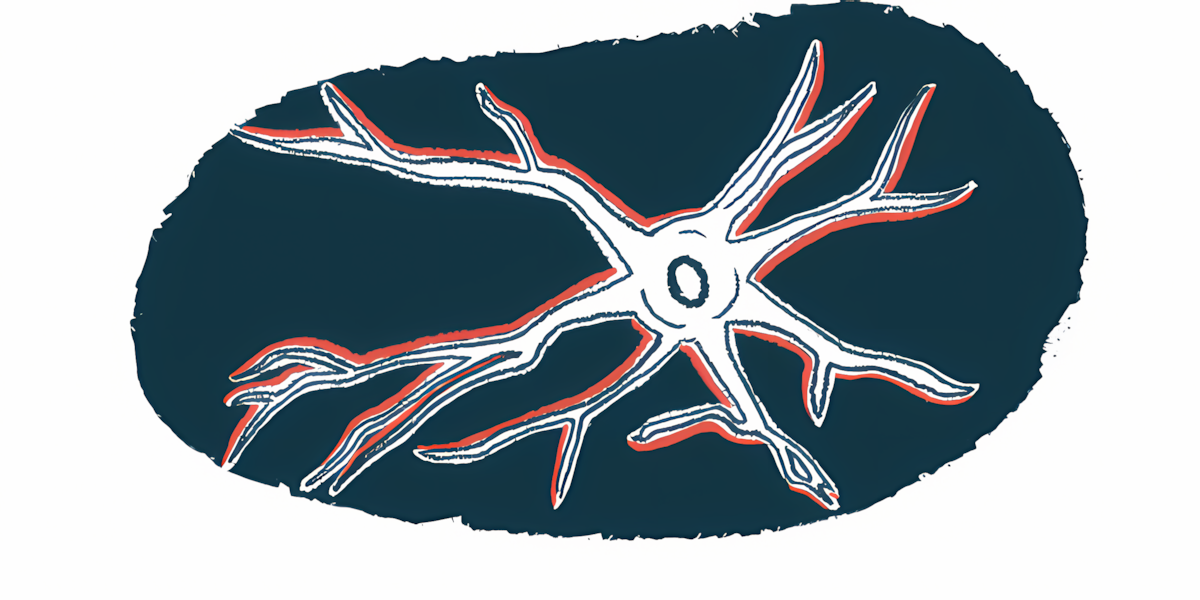




People with IgG4-related disease (IgG4-RD) can experience damage to nerves and muscles, either as a result of IgG4-RD itself or due to co-occurring conditions, resulting in a wide range of symptoms, a review study showed.
“A comprehensive evaluation to exclude other autoimmune diseases is crucial, including systemic vasculitis [body-wide blood vessel inflammation], Sjogren’s disease, and primary neurological conditions, to confidently attribute the neuromuscular syndromes to IgG4-RD,” the researchers wrote.
The study, “Characterization of the neuromuscular manifestations in patients with IgG4-related disease: a systematic review,” was published in Immunologic Research.
“IgG4-RD neuromuscular manifestations predominantly affected middle-aged men, presenting most commonly as mononeuritis multiplex or focal myositis,” the researchers wrote.
Mononeuritis multiplex refers to damage to at least two nerves outside the brain and spinal cord (peripheral nerves), resulting in sensory and motor problems. Focal myositis is inflammation in a single muscle, causing pain and weakness in the affected area.

What’s known about IgG4-RD?
IgG4-RD is a rare disorder marked by abnormal clumps of immune cells — particularly those producing the antibody IgG4 — that can form in organs throughout the body and cause a wide variety of symptoms. The disease also frequently co-occurs with other immune disorders, which can complicate clinical presentation and care.
It wasn’t until the early 2000s that IgG4-RD was identified as a distinct condition, and much about how the disease manifests remains unknown. There have been reports of people with IgG4-RD experiencing nerve and/or muscle problems; however, these have primarily been isolated studies involving a small number of patients.
A team of scientists in Brazil combed through the literature to assess all published studies up to December 2023 describing IgG4-RD cases with neuromuscular involvement, aiming to determine what’s currently known about this aspect of the disease.
“With the increasing number of publications of neuromuscular manifestations of IgG4-RD throughout the last two decades, we present the first systematic review on this presentation of the disease,” the scientists wrote.
The team identified 42 IgG4-RD patients with neuromuscular disease. Most of these patients were middle-aged men, which is consistent with the demographic group most commonly affected by IgG4-RD.
A total of 25 patients (60%) had peripheral neuropathy, or damage of the peripheral nerves, which can result in symptoms like pain, unusual sensations, and weakness.
In nearly half of these cases (48%), the nerve damage was deemed to be a result of IgG4-RD itself. However, in a similar proportion of cases, nerve damage was attributed to other co-occurring conditions, most commonly ANCA-associated vasculitis, an autoimmune disorder that causes inflammation in small blood vessels.
The most common clinical manifestations of IgG4-RD-related peripheral neuropathy were mononeuritis multiplex (33%), radiculopathy (33%), and polyneuropathy (17%). Radiculopathy refers to irritation or compression of a nerve in the spine, while polyneuropathy concerns damage to multiple nerves.
There were also 13 patients with muscle damage (myopathy), which was caused by IgG4-RD itself in seven (53.8%). All seven showed focal myositis, most commonly affecting the lower limbs, and muscle biopsy showed infiltration of IgG4-producing immune cells.
The remaining four of the 42 cases had disorders of the neuromuscular junction, the site where nerve and muscle cells come together, allowing nerves to send signals that control muscle movement.
All four had co-occurring autoimmune diseases marked by self-reactive antibodies that interfere with neuromuscular junction function, namely myasthenia gravis or Lambert-Eaton Myasthenic syndrome.
Several people with peripheral neuropathy or myopathy related to IgG4-RD showed involvement of other organs, such as the kidneys or lymph nodes (immune structures), but this was more common in those with peripheral neuropathy.
Most patients were treated with immunosuppressive medications, most commonly glucocorticoids. These treatments were effective at resolving neuromuscular symptoms in most cases.
The findings “highlight the importance of considering IgG4-RD in the differential diagnosis of [nerve disorders] with an unknown cause, especially when an inflammatory [underlying cause] is suspected and [body-wide] features characteristic of the disease are present,” the researchers wrote. Differential diagnosis is the process by which a doctor rules out different conditions that may cause similar symptoms.
Because disease features can vary so much, biopsies to look for IgG4-RD-typical immune cells “should always be pursued” to confirm the diagnosis of IgG4-RD in people with suspected neuromuscular involvement, the researchers wrote.
The scientists emphasized that their review is limited by the relatively small number of studies that have looked into neuromuscular involvement in IgG4-RD, underscoring the need for further research.