Eye muscle involvement may raise relapse risk in IgG4-related eye disease
Study reports recurrence in about one-third of patients after steroid treatment
Written by |
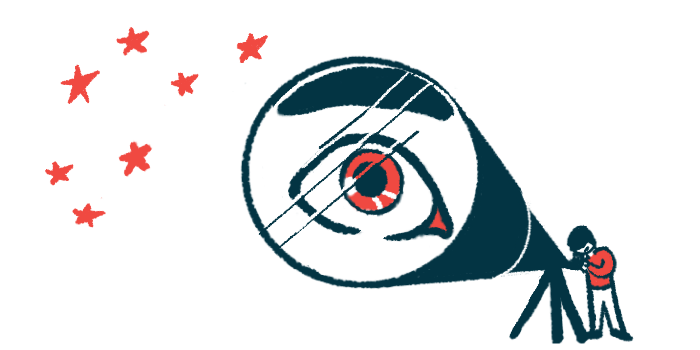
IgG4-related ophthalmic disease (IgG4-ROD) — IgG4-related disease (IgG4-RD) that affects the eyes — is typically treated with steroids, but some patients may need add-on immunosuppressants if the disease returns, a study found. Relapse appeared to be more common in people with high IgG4 levels in the blood or involvement of the eye muscles.
“Steroids remain the main stay of management with immunosuppressants being added in refractory [treatment-resistant] cases,” the researchers wrote.
The study, “Orbital and adnexal IgG4-related disease: An insight into the clinical profile and management outcomes,” was published in the Indian Journal of Ophthalmology.

How IgG4-related disease can affect the eyes
IgG4-RD occurs when immune cells infiltrate different organs and trigger long-lasting inflammation, leading to a range of symptoms. When it affects the eyes, it’s called IgG4-ROD and can involve the orbits, the bony sockets around the eyes, along with nearby structures such as muscles and glands.
To better understand how the disease affects the eyes and how people respond to treatment, researchers reviewed medical records from 2013 to 2020 at a tertiary eye care center. They included only patients who had a biopsy and blood tests to support the diagnosis.
Doctors used three main criteria to diagnose IgG4-RD: tissue enlargement; elevated IgG4 levels in the blood; and typical findings on tissue examination, such as immune cell infiltration and scarring. Imaging scans were also used to look for signs of IgG4-RD elsewhere in the body.
The study included 21 people ages 7 to 57, most of whom were adults (three were children). In most patients (81%), only one eye was affected. Symptoms lasted a median of four months, and common ones included swollen eyelids, bulging of the eye, and mild to severe vision impairment.
The most commonly affected site was the extraocular muscles, which control eye movement, involved in more than half of affected eyes (52%). The tear-producing lacrimal glands were also frequently involved, in nearly one-third of eyes (32%). Nine patients (11 eyes) had more than one eye structure affected at the same time.
High IgG4 levels and eye muscle involvement tied to relapse
Blood tests showed elevated IgG4 levels in about two-thirds of people (66.7%). MRI or CT scans often suggested an inflammatory condition, though some cases were initially misdiagnosed as other disorders, such as idiopathic orbital inflammatory disease.
All patients were treated with oral steroids, which work by suppressing immune activity to reduce inflammation. Steroids were tapered gradually over about three months. Some patients also needed add-on immunosuppressants, particularly if the disease returned or did not respond well to steroid treatment.
The disease returned in seven patients (33.3%), at a mean of 21.1 months (nearly two years) after treatment. Recurrence was about three times more common among people with elevated blood IgG4 levels and those with extraocular muscle involvement.
“Screening for systemic [whole-body] involvement is mandatory,” the researchers wrote, consistent with a previous study involving patients from more than 20 Korean hospitals. “A long course of slow tapering oral steroids, sometimes in combination with immunosuppressants, is the mainstay of treatment,” they wrote.